
Shin Shin Hakata Ramen
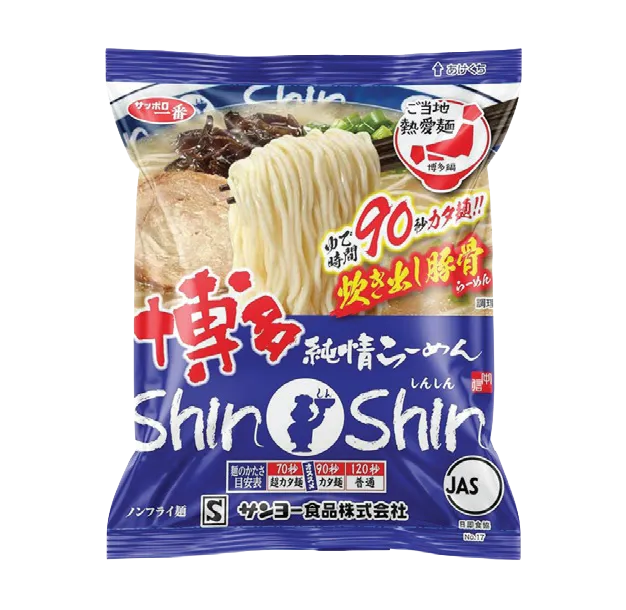
Shin Shin Hakata Ramen
Shin Shin is one of Fukuoka's most famous ramen spots, known for its milky, umami-rich tonkotsu broth and fine Hakata-style noodles. This instant version — which sold out across Japan — captures that magic. Cook the noodles for just 90 seconds, pour the broth, and you're there. A Ramen Club exclusive import.
- Boil the water
Bring 500ml of water to a rolling boil in a saucepan. While you are waiting for it to heat up, open the packet and lay out all your sachets so everything is ready to go once the water hits temperature.
- Cook the noodles
Drop the noodles into the boiling water and let them cook for 90 seconds. A gentle nudge with chopsticks or a fork halfway through keeps them from sticking together. You want them soft but still holding their shape.
- Prep the bowl
While the noodles simmer, empty the soup base and flavour sachets into a separate serving bowl. Adding them to the bowl first means the hot water dissolves everything evenly, giving you full, rich flavour in every single spoonful.
- Pour and combine
Take the saucepan off the heat. Pour the hot cooking water into the bowl first to dissolve the seasoning, then transfer the noodles in. The broth should come together beautifully as everything mixes. Give it a good stir.
- Serve and enjoy
Stir from the bottom up one more time to make sure the seasoning is fully incorporated and the broth looks rich and even throughout. Serve piping hot and finish with your favourite toppings for the complete experience.
Background
Every packet has a story behind it. Here's where this one comes from, what makes it tick, and why it made the cut for the box.
Sanyo Foods has been making instant noodles in Japan since 1953. They are the company behind the famous Sapporo Ichiban brand and are known for their regional ramen collaborations, often working directly with celebrated ramen shops.
Hakata is the historical name for central Fukuoka and is considered the birthplace of modern tonkotsu ramen culture. Hakata-style ramen uses thin, straight noodles and a milky pork broth, and the tradition of 'kaedama' (extra noodles) originated here.
A rich, creamy tonkotsu broth made from simmered pork bones. The long cooking process extracts collagen from the bones, turning the broth milky white and giving it a velvety texture. It is the kind of broth that feels substantial enough to be a meal on its own.
Fine, thin straight noodles in the Hakata tradition. These thinner strands cook fast and are designed to be eaten quickly before they soften in the rich broth. In Fukuoka, diners often order extra noodles (kaedama) to add to the remaining broth.
Tonkotsu broth is made by boiling pork bones for 12 to 20 hours until they break down into a creamy, milky white soup. The technique originated in Kurume, Fukuoka, in 1937 when a cook accidentally left the bones boiling too long and discovered the result was delicious.
This one is hard to get even in Japan, which is part of what makes it special. But the real reason we love it is the flavour. It delivers something you genuinely cannot find on local shelves, and that surprise factor is what our subscribers keep coming back for.
Topping Suggestions
A few toppings that take this bowl from good to great. Most are already in your kitchen, and every one is optional.

Tofu
Fried tofu offers a hearty, nutty taste and a slightly crispy texture, bringing a wholesome, plant-based addition to the noodles.

Spam
Spam contributes a savory, salty, and slightly smoky character, giving the noodles a hearty, meaty essence.
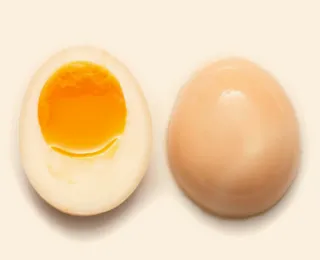
Boiled Egg
A soft-boiled egg brings a creamy richness that complements the noodles perfectly, providing a luscious, slightly savory contrast.