
Osaka Fukuchan Tonkotsu Ramen
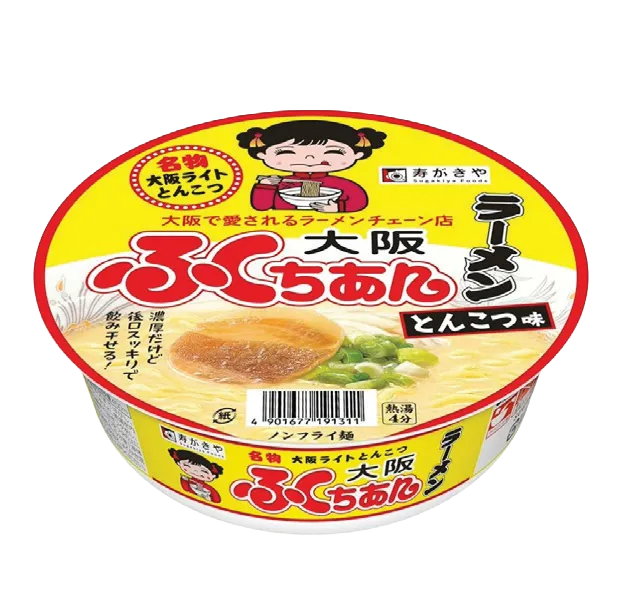
Osaka Fukuchan Tonkotsu Ramen
Fukuchan Ramen has been an Osaka institution for over 30 years, with 16 locations across the city. Their 'Osaka Light Tonkotsu' is famous for its approachable, creamy pork bone broth that appeals to everyone. This instant version from Sugakiya faithfully captures that beloved flavour. A taste of Osaka, now in your box.
- Open and prep
Peel the lid back halfway and take out any sachets sitting inside. Add the seasoning powder into the bowl as directed on the packet. Having everything unpacked and laid out before you pour makes the whole process smoother and quicker.
- Add boiling water
Pour freshly boiled water into the bowl up to the inner line, which is about 410ml (roughly 2 cups). Make sure the water covers all the noodles evenly so they cook through properly. Place the liquid sachet on top of the lid to warm it while you wait.
- Let it steep
Pop the lid back on and wait for 4 minutes. This is when the noodles soften and the broth develops its full depth of flavour. Resist the urge to peek, the trapped steam does important work making everything come together inside the bowl.
- Stir and serve
Remove the lid and give the bowl a really thorough stir from the bottom up, making sure all the seasoning is mixed through and nothing is stuck to the base. Serve it while it's piping hot and finish with your favourite toppings.
Background
Every packet has a story behind it. Here's where this one comes from, what makes it tick, and why it made the cut for the box.
Sugakiya is a beloved restaurant chain from Nagoya in Aichi Prefecture, operating since 1946. Known for their light tonkotsu and regional collaborations, they bridge the gap between Osaka and Tokyo ramen cultures with their own distinct identity.
Osaka is Japan's street food capital, famous for takoyaki and okonomiyaki. The city's ramen scene tends toward lighter, more approachable tonkotsu styles that appeal to the widest possible audience, reflecting Osaka's welcoming food culture.
A rich, creamy tonkotsu broth made from simmered pork bones. The long cooking process extracts collagen from the bones, turning the broth milky white and giving it a velvety texture. It is the kind of broth that feels substantial enough to be a meal on its own.
The noodles in this bowl are crafted to complement the broth style perfectly. The texture, thickness, and cooking time are all calibrated so that the noodles and soup work together as a complete experience rather than separate elements sharing the same bowl.
Tonkotsu broth is made by boiling pork bones for 12 to 20 hours until they break down into a creamy, milky white soup. The technique originated in Kurume, Fukuoka, in 1937 when a cook accidentally left the bones boiling too long and discovered the result was delicious.
A beautifully executed tonkotsu that proves you do not need a restaurant to get a great bowl of pork bone ramen. The broth is rich without being heavy, and the noodles are perfectly matched. It is the kind of quiet excellence that makes this one a repeat favourite.
Topping Suggestions
A few toppings that take this bowl from good to great. Most are already in your kitchen, and every one is optional.

Boiled Egg
A soft-boiled egg brings a creamy richness that complements the noodles perfectly, providing a luscious, slightly savory contrast.
Chilli Oil
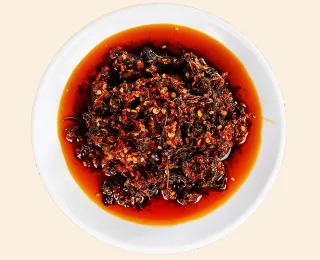
Chilli oil delivers a fiery kick and a deep, smoky heat, adding a spicy dimension that can transform the noodles into a sizzling delight.
Cabbage
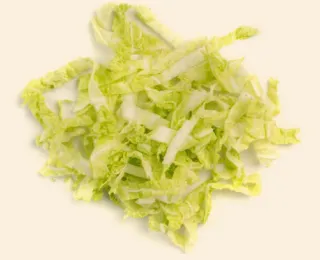
Cabbage provides a refreshing, slightly sweet crunch, adding a vegetable-based lightness and freshness to the dish.