
Kimchi Ramyun
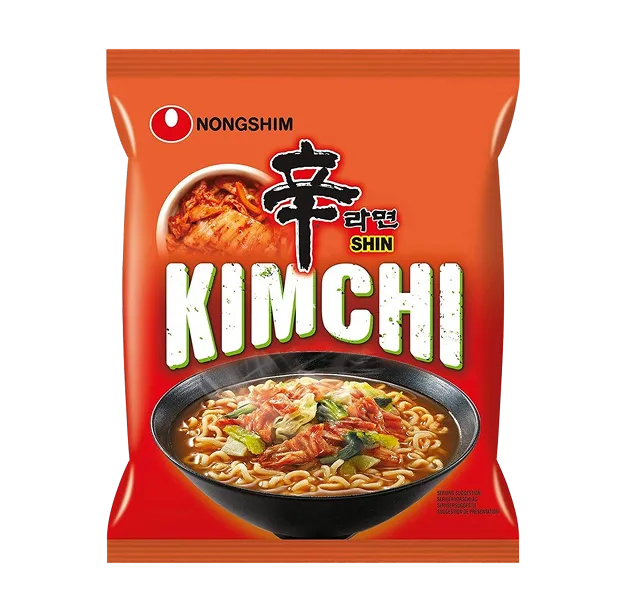
Kimchi Ramyun
Nongshim's kimchi packet is the sour one — a tangy, fermented broth with real kimchi flakes in the vegetable mix, sharper and lighter than the usual Shin heat. It lands closer to a kimchi jjigae than to a standard spicy ramyun. The broth is good enough that people finish it with rice. Imported from Korea.
- Boil the water
Bring 550ml of water to a rolling boil in a saucepan. While it heats, open the packet and set out the soup base powder and the vegetable sachet with the kimchi flakes in it.
- Everything in
Add the noodle block, the soup base and the vegetable flakes to the boiling water together. Stir it through so the powder dissolves and the kimchi pieces get properly submerged rather than floating dry on top.
- Cook the noodles
Cook for four to five minutes, stirring occasionally. The kimchi flakes need most of that time to soften and release their sourness into the broth, so do not cut it short by much.
- Serve and enjoy
Take the pot off the heat and pour everything into a bowl. If you have real kimchi in the fridge, a spoonful stirred in at the end lifts the whole thing considerably.
Background
Every packet has a story behind it. Here's where this one comes from, what makes it tick, and why it made the cut for the box.
Nongshim is South Korea's largest noodle manufacturer, founded in 1965. Their Shin Ramyun is the best-selling Korean ramen worldwide. The company prides itself on using real vegetables and robust seasoning in every product.
Korean ramyun culture is distinct from Japanese ramen. The noodles are typically chewier, the broths spicier, and the flavours bolder. Korean ramyun is usually cooked in a pot rather than a cup, and sharing a pot of ramyun is a social ritual.
A fermented kimchi broth rather than a straight chilli one. The sourness arrives first, followed by garlic and a moderate heat, and there are real kimchi flakes in the vegetable sachet that rehydrate into the soup. Lighter and sharper than the standard Shin base.
The noodles in this bowl are crafted to complement the broth style perfectly. The texture, thickness, and cooking time are all calibrated so that the noodles and soup work together as a complete experience rather than separate elements sharing the same bowl.
Kimchi ferments for weeks or months and its flavour keeps changing the whole time. Older, sourer kimchi is what Koreans reach for when making jjigae, because the acidity stands up to heat. This packet is built to taste like that, not like fresh kimchi.
The perfect balance between heat and flavour. It has enough spice to keep things exciting without overwhelming the other ingredients. It is the kind of noodle that satisfies both spice lovers and people who usually play it safe. A crowd pleaser with an edge.
Topping Suggestions
A few toppings that take this bowl from good to great. Most are already in your kitchen, and every one is optional.

Boiled Egg
A soft-boiled egg brings a creamy richness that complements the noodles perfectly, providing a luscious, slightly savory contrast.

Curry Paste
Curry paste introduces a bold, spicy, and aromatic profile, infusing the noodles with rich, exotic, and complex flavors.
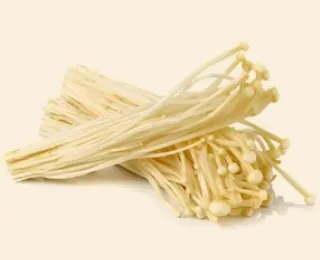
Enoki Mushrooms
Enoki mushrooms offer a delicate, mild mushroom flavor that enhances the overall umami of the dish, with a hint of earthiness.