
Ganso Nagahama Tonkotsu Ramen
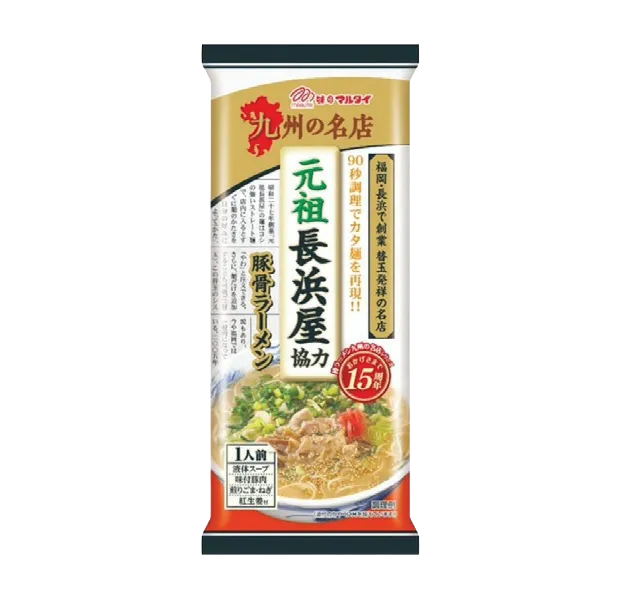
Ganso Nagahama Tonkotsu Ramen
Nagahamaya has been serving Hakata-style tonkotsu in Fukuoka for over 15 years, and this Marutai collaboration captures their signature milky pork-bone broth and thin straight noodles. Cook for just 90 seconds. The restaurant has been a local legend, and now their flavour travels direct to your kitchen from Japan.
- Boil the water
Bring 500ml of water to a rolling boil in a saucepan. While you are waiting for it to heat up, open the packet and lay out all your sachets so everything is ready to go once the water hits temperature.
- Cook the noodles
Drop the noodles into the boiling water and let them cook for 90 seconds. A gentle nudge with chopsticks or a fork halfway through keeps them from sticking together. You want them soft but still holding their shape.
- Add the seasoning
Take the saucepan off the heat and add the soup sachet and any flavour pouches directly into the pot. Stir well until the seasoning is completely dissolved and the broth is smooth, rich, and evenly coloured throughout.
- Serve and enjoy
Transfer the noodles and broth into a serving bowl. Give it one last stir from the bottom to make sure the flavour is spread through evenly. Serve while it is hot and add your favourite toppings to finish things off.
Background
Every packet has a story behind it. Here's where this one comes from, what makes it tick, and why it made the cut for the box.
Marutai is a Fukuoka-based noodle maker that specialises in recreating the regional tonkotsu styles of Kyushu. Their straight, non-fried noodles are made to cook in under three minutes while delivering a texture that closely mimics fresh ramen-shop noodles.
Fukuoka is the undisputed ramen capital of Japan. The city's yatai (street food stalls) along the Naka River serve tonkotsu ramen late into the night, and the local ramen culture is so strong that it draws food tourists from across the world.
A rich, creamy tonkotsu broth made from simmered pork bones. The long cooking process extracts collagen from the bones, turning the broth milky white and giving it a velvety texture. It is the kind of broth that feels substantial enough to be a meal on its own.
Fine, thin straight noodles in the Hakata tradition. These thinner strands cook fast and are designed to be eaten quickly before they soften in the rich broth. In Fukuoka, diners often order extra noodles (kaedama) to add to the remaining broth.
Tonkotsu broth is made by boiling pork bones for 12 to 20 hours until they break down into a creamy, milky white soup. The technique originated in Kurume, Fukuoka, in 1937 when a cook accidentally left the bones boiling too long and discovered the result was delicious.
A beautifully executed tonkotsu that proves you do not need a restaurant to get a great bowl of pork bone ramen. The broth is rich without being heavy, and the noodles are perfectly matched. It is the kind of quiet excellence that makes this one a repeat favourite.
Topping Suggestions
A few toppings that take this bowl from good to great. Most are already in your kitchen, and every one is optional.
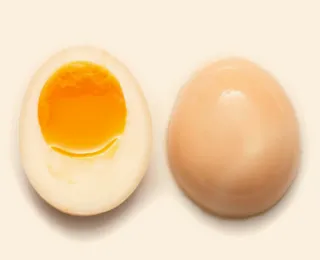
Boiled Egg
A soft-boiled egg brings a creamy richness that complements the noodles perfectly, providing a luscious, slightly savory contrast.
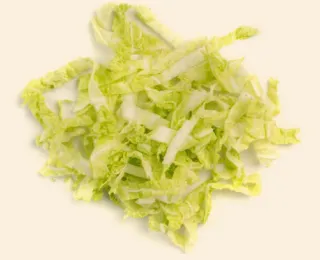
Cabbage
Cabbage provides a refreshing, slightly sweet crunch, adding a vegetable-based lightness and freshness to the dish.
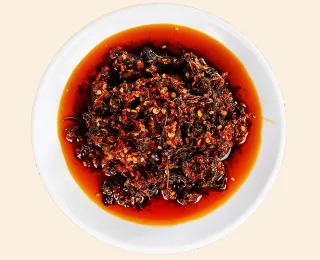
Chilli Oil
Chilli oil delivers a fiery kick and a deep, smoky heat, adding a spicy dimension that can transform the noodles into a sizzling delight.